Game-changing results across the trifecta of key measures

Proteinuria
Kidney function
C3 staining
Quinn, a real person
who's taken EMPAVELI

EMPAVELI results in proteinuria, kidney function, and C3 staining1,2


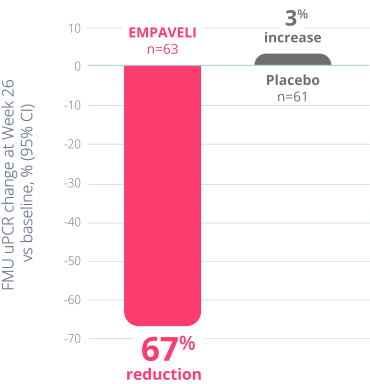
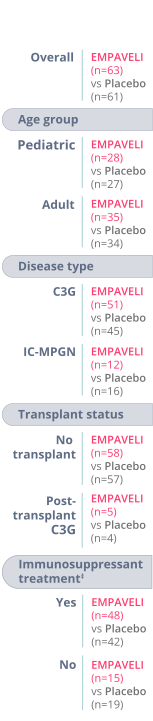
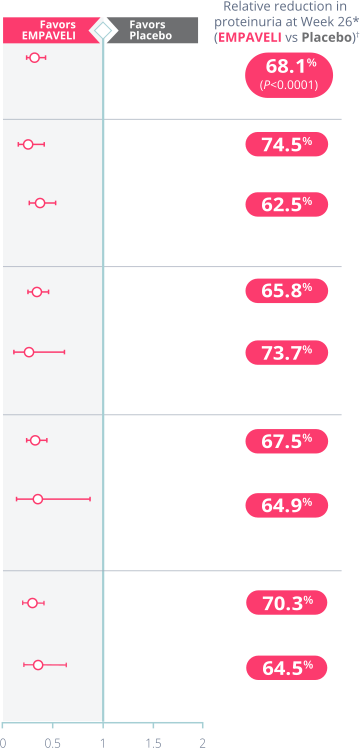
Statistically significant proteinuria reduction at Week 26, 
with reduction observed as early as Week 41,2

Primary endpoint: change in uPCR from baseline at Week 26

68%
reduction in uPCR
from baseline vs placebo1
(P<0.0001)
  • Geometric means at Week 26 vs baseline (95% CI): 0.33 (CI: 0.25, 0.43) with EMPAVELI vs 1.03 (CI: 0.91, 1.16) with placebo1

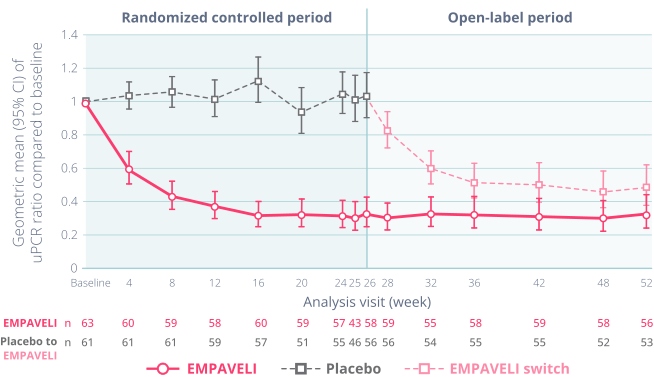
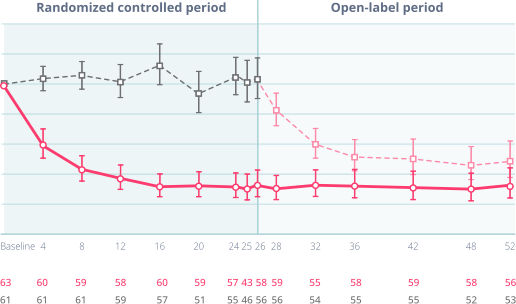
Clinically meaningful proteinuria reduction maintained through 52 weeks1

52

WEEK DATA

Following the 26-week randomized controlled period (RCP), a 26-week open-label period (OLP) was conducted in which all patients received EMPAVELI.

uPCR over 52 weeks2

  • EMPAVELI group: -67.2% mean change in proteinuria from baseline to Week 522
  • EMPAVELI switch group: -51.3% mean change in proteinuria from baseline to Week 522
After EMPAVELI initiation in the placebo arm at Week 26, a reduction in proteinuria was observed and remained slightly less pronounced at Week 52 vs the reduction observed in those who initially received EMPAVELI1

Kerry, the mother of Quinn who's taken EMPAVELI

“Since Quinn started EMPAVELI, we saw an improvement in his labs...specifically, his uPCR was significantly reduced. It was surprising and a huge relief all at the same time.”

Individual experiences may vary.

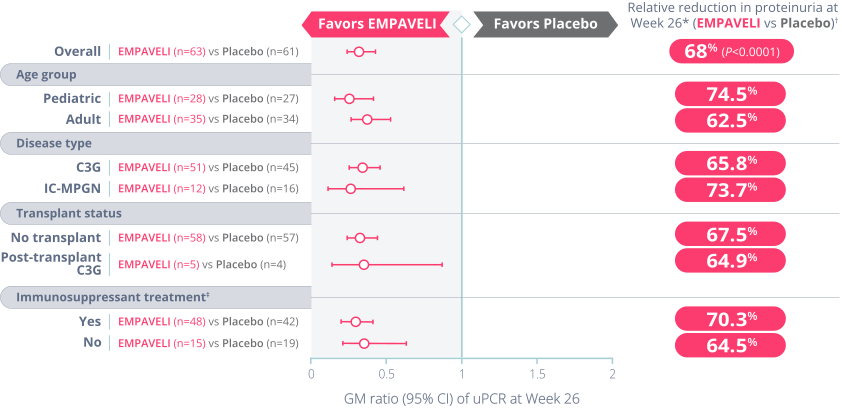
These prespecified subgroup analyses were not powered to detect differences between treatment and placebo in these subgroups and results were not included in the study’s formal multiplicity-controlled testing hierarchy. Therefore, findings should be considered exploratory and interpreted descriptively. No formal statistical conclusions can be drawn.

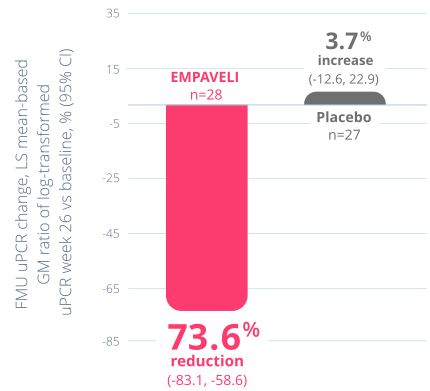
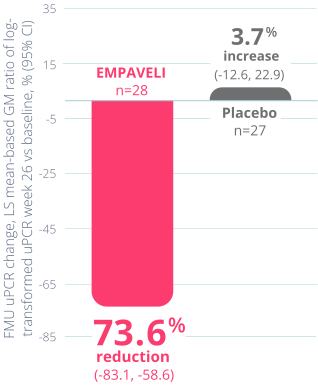
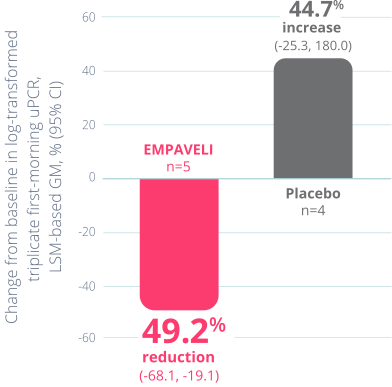
Consistent proteinuria reductions observed in pediatric patients with C3G and primary IC-MPGN4

These prespecified subgroup analyses were not powered to detect differences between treatment and placebo in these subgroups and results were not included in the study’s formal multiplicity-controlled testing hierarchy. Therefore, findings should be considered exploratory and interpreted descriptively. No formal statistical conclusions can be drawn.

74.5% reduction of uPCR from baseline vs placebo4

(95% CI: 58.5, 84.3)

Quinn, a real person who’s taken EMPAVELI

Reduction in proteinuria was observed in post-transplant recurrent C3G patients5

These prespecified subgroup analyses were not powered to detect differences between treatment and placebo in these subgroups and results were not included in the study’s formal multiplicity-controlled testing hierarchy. Therefore, findings should be considered exploratory and interpreted descriptively. No formal statistical conclusions can be drawn.

64.9% reduction of uPCR 
from baseline vs placebo3

(95% CI: 12.9, 85.9)

Meredith, a real person who’s taken EMPAVELI

52 number in purple color WEEK DATA

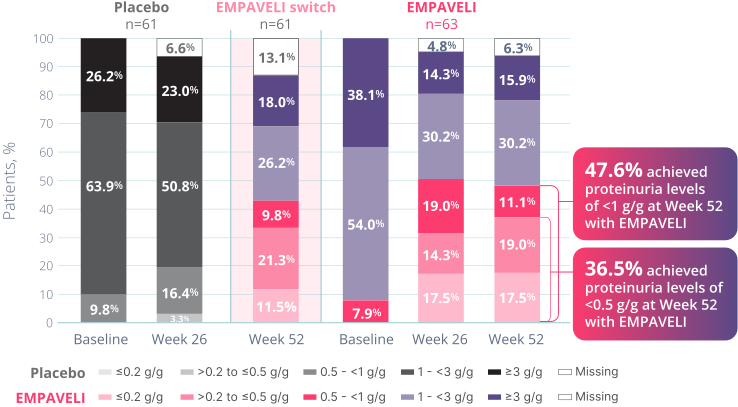
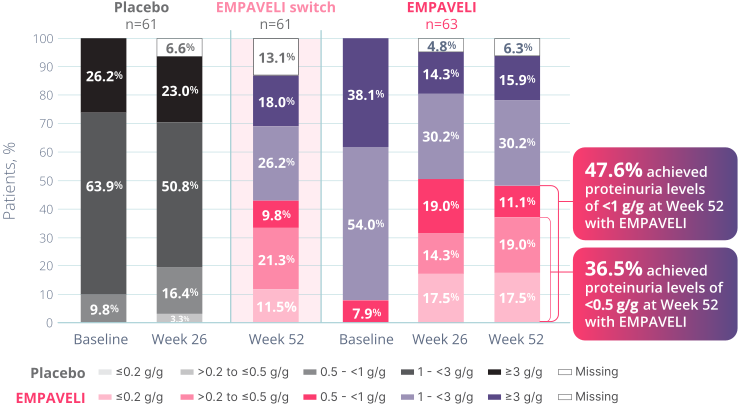
Consider these post hoc subgroup analysis findings exploratory and interpret with caution, as these analyses were not prespecified. The study was not designed or powered to detect differences between treatment and placebo in these subgroups, and multiple comparisons increase the risk of findings due to chance. No formal conclusions can be drawn, and further prospective studies are needed to confirm these observations.

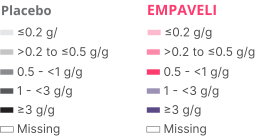
Post hoc analysis: proteinuria shifts from baseline to Week 26 maintained through Week 522

Powerful kidney protection by slowing disease progression

Meredith,
a real person who's taken EMPAVELI

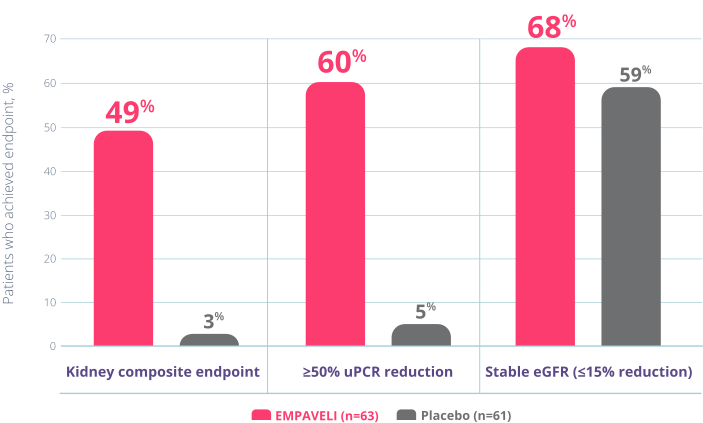
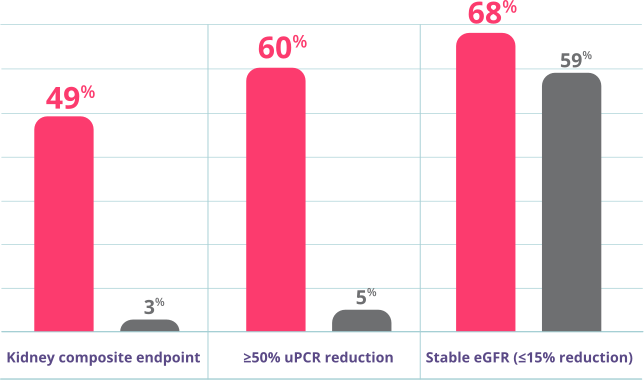
Key secondary endpoint: a statistically significant proportion of patients met the kidney composite endpoint at Week 26 with EMPAVELI1

Kidney composite endpoint was defined as ≥50% reduction in uPCR + stable eGFR (≤15% reduction from baseline).1

27x higher odds of achieving the kidney composite endpoint with EMPAVELI than placebo (P<0.0001) (95% CI: 6, 124)1

Odds ratio (EMPAVELI vs placebo)


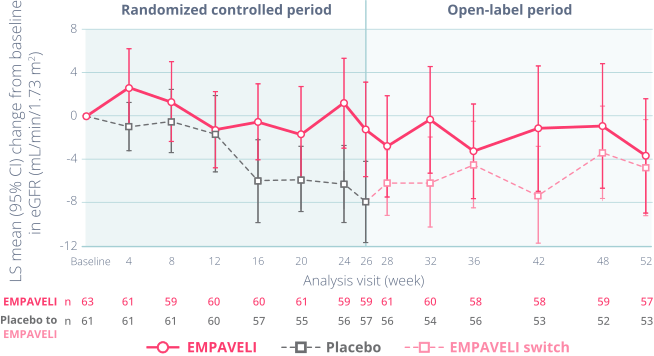
Key secondary endpoint: change in eGFR at 26 weeks1,2

NEW
52

WEEK DATA

Difference in EMPAVELI vs placebo at Week 261
+6.31 mL/min/1.73 m2
(95% CI: 0.50, 12.12)
  • EMPAVELI stabilized kidney function by slowing eGFR decline1
52 number in purple color WEEK DATA

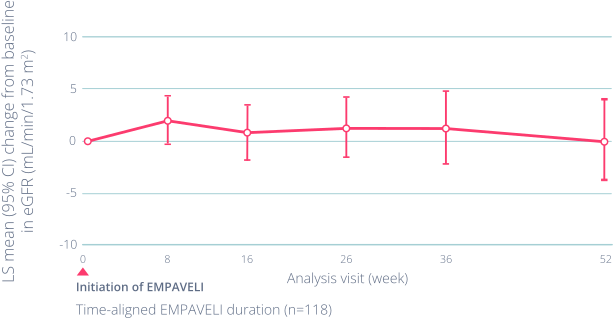
Post hoc analyses of combined treatment groups aligned by EMPAVELI treatment duration2

Consider these post hoc analysis findings exploratory and interpret with caution, as these analyses were not prespecified. The study was not designed or powered to determine treatment effect in this subgroup, and multiple comparisons increase the risk of findings due to chance. No formal conclusions can be drawn, and further prospective studies are needed to confirm these observations.

Overall treatment with EMPAVELI

+0.1 (-3.8 to +4.0) mL/min/1.73 m2 change in eGFR after 1 year of EMPAVELI treatment by LS mean (95% CI) change2
  • Patients in VALIANT with <52 weeks of EMPAVELI treatment were supplemented with up to 6 months of treatment data from the VALE extension study. All data were treatment duration-aligned, with baseline defined as the date of EMPAVELI initiation for all patients2

These prespecified subgroup analyses were not powered to detect differences between treatment and placebo in these subgroups and results were not included in the study’s formal multiplicity-controlled testing hierarchy. Therefore, findings should be considered exploratory and interpreted descriptively. No formal statistical conclusions can be drawn.

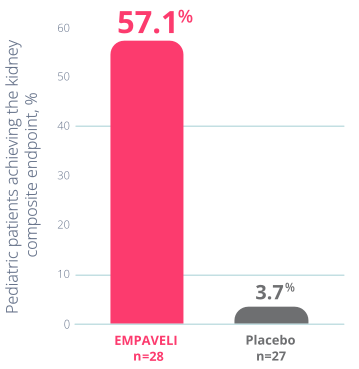
Pediatric patients who achieved the kidney composite endpoint vs placebo at Week 264

Patients had a 37x higher odds of achieving the kidney composite endpoint with EMPAVELI than placebo4

Odds ratio (EMPAVELI vs placebo)

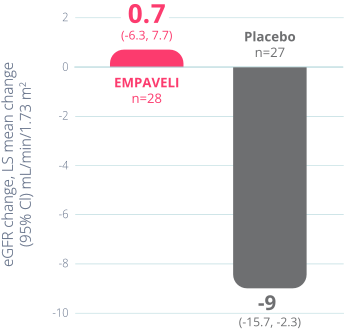
Change in eGFR from baseline observed at Week 26 in pediatric patients4

Difference in EMPAVELI vs placebo at Week 264
+9.7

mL/min/1.73 m2

These prespecified subgroup analyses were not powered to detect differences between treatment and placebo in these subgroups and results were not included in the study’s formal multiplicity-controlled testing hierarchy. Therefore, findings should be considered exploratory and interpreted descriptively. No formal statistical conclusions can be drawn.

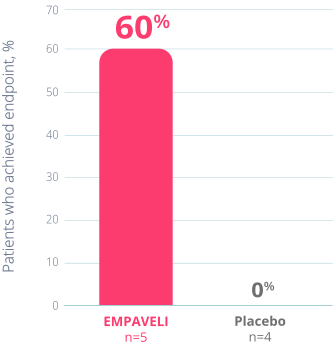
Post-transplant patients with recurrent C3G who achieved the kidney composite endpoint at Week 265

60% of post-transplant recurrent C3G patients achieved the kidney composite endpoint at Week 265


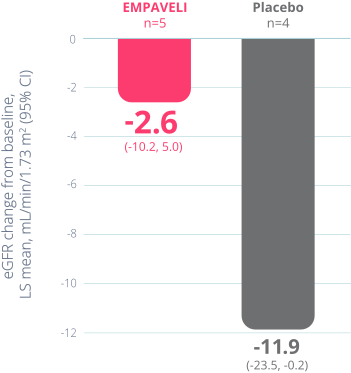
Change in eGFR from baseline observed at Week 26 in post-transplant patients with recurrent C3G5

Difference in EMPAVELI vs placebo at Week 265
+9.3 mL/min/1.73 m2

Safety and effectiveness of EMPAVELI in patients with recurrent IC-MPGN following kidney transplant have not been established.1

Safety and effectiveness of EMPAVELI in patients with recurrent IC-MPGN following kidney transplant have not been established.1

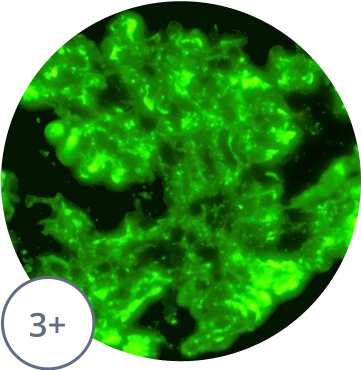
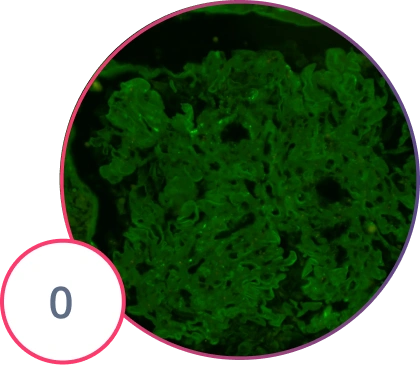
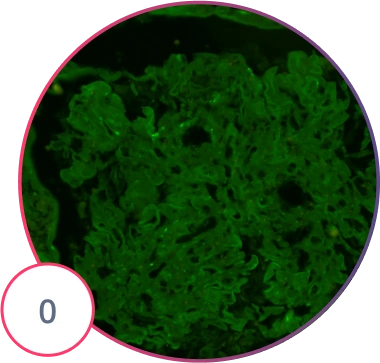
Pharmacodynamic data: clearing of excessive C3 deposits

Reduction of C3 staining by ≥2 orders of magnitude (OOM) in evaluable patients§ taking EMPAVELI (n=35).1,2

Baseline
Week 26

74% had reduction in C3 staining by ≥2 OOM at Week 26 compared to 12% with placebo (n=34)1,2

27x higher odds of achieving ≥2 OOM reduction in C3 staining (95% Cl: 6, 116).2

Week 26
Based on an additional analysis of these pharmacodynamic data, 71.4% (n=35) saw complete clearance (0 intensity staining) vs 8.8% with placebo (n=34) at Week 26.2

1 OOM=10x; 2 OOM=100x.

Renal biopsies from a patient with post-transplant recurrent C3G. Images courtesy of Patrick D. Walker, MD, Senior Renal Pathologist at Arkana Laboratories.

§Evaluable patients included only adult patients. Renal biopsies were not performed on pediatric patients.

These data are based on an additional analysis of pharmacodynamic data. They were not powered to detect differences between treatment and placebo in these data, and results were not included in the study’s formal multiplicity-controlled testing hierarchy. Therefore, findings should be considered exploratory and interpreted descriptively. No formal statistical conclusions can be drawn.

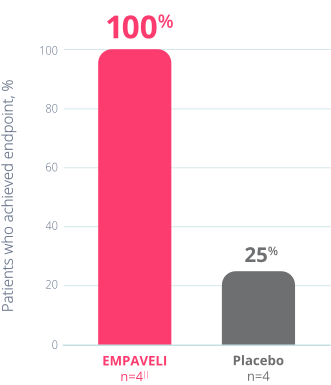
All post-transplant patients with recurrent C3G reduced C3 staining by ≥2 OOM at Week 26 with EMPAVELI5,||

100% of post-transplant recurrent C3G patients reduced C3 staining by ≥2 OOM at Week 26 in the treatment arm5

Results of pharmacodynamic data in patients with recurrent IC-MPGN following kidney transplant have not been established.1

||In adults with evaluable baseline and Week 26 renal biopsies.

Meredith, a real person who's taken EMPAVELI

“I noticed a difference after using EMPAVELI. I started to feel like myself again—for the first time in years. My labs reflected the change, and my numbers started improving.”

Individual experiences may vary.

C3G=C3 glomerulopathy; eGFR=estimated glomerular filtration rate; FMU=first morning urine; GM=geometric mean; IC-MPGN=immune-complex membranoproliferative glomerulonephritis; LS=least squares; uPCR=urine protein-to-creatinine ratio.

References: 1. EMPAVELI [prescribing information]. Waltham, MA: Apellis Pharmaceuticals, Inc.; 2026. 2. Data on file. Apellis Pharmaceuticals, Inc., Waltham, MA. 3. Nester CM, Bomback AS, Ariceta Iraola MG, et al. VALIANT: phase 3 trial of pegcetacoplan for patients with native or post-transplant recurrent C3G or primary IC-MPGN. ASN Kidney Week. 2024. 4. Vivarelli M, Ariceta G, Borovitz Y, et al. Pegcetacoplan for adolescents with C3G or IC-MPGN in phase 3 VALIANT. 3rd Annual Spring Clinical Meetings of the National Kidney Foundation. 2025. 5. Bomback AS. Pegcetacoplan for posttransplant recurrent C3 glomerulopathy or primary immune complex-mediated glomerulonephritis: the VALIANT trial. 3rd Annual Spring Clinical Meetings of the National Kidney Foundation. 2025.

IMPORTANT SAFETY INFORMATION

WARNING: SERIOUS INFECTIONS CAUSED BY ENCAPSULATED BACTERIA

EMPAVELI, a complement inhibitor, increases the risk of serious infections, especially those caused by encapsulated bacteria, such as Streptococcus pneumoniae, Neisseria meningitidis, and Haemophilus influenzae type B. Life-threatening and fatal infections with encapsulated bacteria have occurred in patients treated with complement inhibitors. These infections may become rapidly life-threatening or fatal if not recognized and treated early.

  • Complete or update vaccination for encapsulated bacteria at least 2 weeks prior to the first dose of EMPAVELI, unless the risks of delaying therapy with EMPAVELI outweigh the risks of developing a serious infection. Comply with the most current Advisory Committee on Immunization Practices (ACIP) recommendations for vaccinations against encapsulated bacteria in patients receiving a complement inhibitor.
  • Patients receiving EMPAVELI are at increased risk for invasive disease caused by encapsulated bacteria, even if they develop antibodies following vaccination. Monitor patients for early signs and symptoms of serious infections and evaluate immediately if infection is suspected.

Because of the risk of serious infections caused by encapsulated bacteria, EMPAVELI is available only through a restricted program under a Risk Evaluation and Mitigation Strategy (REMS) called the EMPAVELI REMS.

CONTRAINDICATIONS

  • Hypersensitivity to pegcetacoplan or to any of the excipients
  • For initiation in patients with unresolved serious infection caused by encapsulated bacteria including Streptococcus pneumoniae, Neisseria meningitidis, and Haemophilus influenzae type B

WARNINGS AND PRECAUTIONS

Serious Infections Caused by Encapsulated Bacteria

EMPAVELI, a complement inhibitor, increases a patient’s susceptibility to serious, life-threatening, or fatal infections caused by encapsulated bacteria including Streptococcus pneumoniae, Neisseria meningitidis (caused by any serogroup, including non-groupable strains), and Haemophilus influenzae type B. Life-threatening and fatal infections with encapsulated bacteria have occurred in both vaccinated and unvaccinated patients treated with complement inhibitors. The initiation of EMPAVELI treatment is contraindicated in patients with unresolved serious infection caused by encapsulated bacteria.

Complete or update vaccination against encapsulated bacteria at least 2 weeks prior to administration of the first dose of EMPAVELI, according to the most current ACIP recommendations for patients receiving a complement inhibitor. Revaccinate patients in accordance with ACIP recommendations considering the duration of therapy with EMPAVELI. Note that ACIP recommends an administration schedule in patients receiving complement inhibitors that differs from the administration schedule in the vaccine prescribing information. If urgent EMPAVELI therapy is indicated in a patient who is not up to date with vaccines against encapsulated bacteria according to ACIP recommendations, provide the patient with antibacterial drug prophylaxis and administer these vaccines as soon as possible. The benefits and risks of treatment with EMPAVELI, as well as the benefits and risks of antibacterial drug prophylaxis in unvaccinated or vaccinated patients, must be considered against the known risks for serious infections caused by encapsulated bacteria.

Vaccination does not eliminate the risk of serious encapsulated bacterial infections, despite development of antibodies following vaccination. Closely monitor patients for early signs and symptoms of serious infection and evaluate patients immediately if an infection is suspected. Inform patients of these signs and symptoms and instruct patients to seek immediate medical care if these signs and symptoms occur. Promptly treat known infections. Serious infection may become rapidly life-threatening or fatal if not recognized and treated early. Consider interruption of EMPAVELI in patients who are undergoing treatment for serious infections.

EMPAVELI is available only through a restricted program under a REMS.

EMPAVELI REMS

EMPAVELI is available only through a restricted program under a REMS called EMPAVELI REMS, because of the risk of serious infections caused by encapsulated bacteria. Notable requirements of the EMPAVELI REMS include the following:

Under the EMPAVELI REMS, prescribers must enroll in the program. Prescribers must counsel patients about the risks, signs, and symptoms of serious infections caused by encapsulated bacteria, provide patients with the REMS educational materials, ensure patients are vaccinated against encapsulated bacteria at least 2 weeks prior to the first dose of EMPAVELI, prescribe antibacterial drug prophylaxis if patients’ vaccine status is not up to date and treatment must be started urgently, and provide instructions to always carry the Patient Safety Card both during treatment, as well as for 2 months following last dose of EMPAVELI. Pharmacies that dispense EMPAVELI must be certified in the EMPAVELI REMS and must verify prescribers are certified.

Further information is available at www.empavelirems.com or 1-888-343-7073.

Infusion-Related Reactions

Systemic hypersensitivity reactions (eg, facial swelling, rash, urticaria, pyrexia) have occurred in patients treated with EMPAVELI, which may resolve after treatment with antihistamines. Cases of anaphylaxis leading to treatment discontinuation have been reported. If a severe hypersensitivity reaction (including anaphylaxis) occurs, discontinue EMPAVELI infusion immediately, institute appropriate treatment, per standard of care, and monitor until signs and symptoms are resolved.

Monitoring Paroxysmal Nocturnal Hemoglobinuria (PNH) Manifestations after Discontinuation of EMPAVELI

After discontinuing treatment with EMPAVELI, closely monitor for signs and symptoms of hemolysis, identified by elevated LDH levels along with sudden decrease in PNH clone size or hemoglobin, or reappearance of symptoms such as fatigue, hemoglobinuria, abdominal pain, dyspnea, major adverse vascular events (including thrombosis), dysphagia, or erectile dysfunction. Monitor any patient who discontinues EMPAVELI for at least 8 weeks to detect hemolysis and other reactions. If hemolysis, including elevated LDH, occurs after discontinuation of EMPAVELI, consider restarting treatment with EMPAVELI.

Interference with Laboratory Tests

There may be interference between silica reagents in coagulation panels and EMPAVELI that results in artificially prolonged activated partial thromboplastin time (aPTT); therefore, avoid the use of silica reagents in coagulation panels.

ADVERSE REACTIONS

Most common adverse reactions in adult patients with PNH (incidence ≥10%) were injection-site reactions, infections, diarrhea, abdominal pain, respiratory tract infection, pain in extremity, hypokalemia, fatigue, viral infection, cough, arthralgia, dizziness, headache, and rash.

Most common adverse reactions in adult and pediatric patients 12 years of age and older with C3 glomerulopathy (C3G) or primary immune-complex membranoproliferative glomerulonephritis (IC-MPGN) (incidence ≥10%) were injection-site reactions, pyrexia, nasopharyngitis, influenza, cough, and nausea.

USE IN SPECIFIC POPULATIONS

Females of Reproductive Potential

EMPAVELI may cause embryo-fetal harm when administered to pregnant women. Pregnancy testing is recommended for females of reproductive potential prior to treatment with EMPAVELI. Advise female patients of reproductive potential to use effective contraception during treatment with EMPAVELI and for 40 days after the last dose.

INDICATIONS

EMPAVELI® (pegcetacoplan) is indicated for the treatment of:

  • adult patients with paroxysmal nocturnal hemoglobinuria (PNH).
  • adult and pediatric patients aged 12 years and older with C3 glomerulopathy (C3G) or primary immune-complex membranoproliferative glomerulonephritis (IC-MPGN), to reduce proteinuria and the loss of kidney function.

Please see full Prescribing Information, including Boxed WARNING regarding serious infections caused by encapsulated bacteria, and Medication Guide.



  • EXPAND
  • COLLAPSE

IMPORTANT SAFETY INFORMATION

WARNING: SERIOUS INFECTIONS CAUSED BY ENCAPSULATED BACTERIA

EMPAVELI, a complement inhibitor, increases the risk of serious infections, especially those caused by encapsulated bacteria, such as Streptococcus pneumoniae, Neisseria meningitidis, and Haemophilus influenzae type B. Life-threatening and fatal infections with encapsulated bacteria have occurred in patients treated with complement inhibitors. These infections may become rapidly life-threatening or fatal if not recognized and treated early.

  • Complete or update vaccination for encapsulated bacteria at least 2 weeks prior to the first dose of EMPAVELI, unless the risks of delaying therapy with EMPAVELI outweigh the risks of developing a serious infection. Comply with the most current Advisory Committee on Immunization Practices (ACIP) recommendations for vaccinations against encapsulated bacteria in patients receiving a complement inhibitor.
  • Patients receiving EMPAVELI are at increased risk for invasive disease caused by encapsulated bacteria, even if they develop antibodies following vaccination. Monitor patients for early signs and symptoms of serious infections and evaluate immediately if infection is suspected.

Because of the risk of serious infections caused by encapsulated bacteria, EMPAVELI is available only through a restricted program under a Risk Evaluation and Mitigation Strategy (REMS) called the EMPAVELI REMS.

CONTRAINDICATIONS

  • Hypersensitivity to pegcetacoplan or to any of the excipients
  • For initiation in patients with unresolved serious infection caused by encapsulated bacteria including Streptococcus pneumoniae, Neisseria meningitidis, and Haemophilus influenzae type B

WARNINGS AND PRECAUTIONS

Serious Infections Caused by Encapsulated Bacteria

EMPAVELI, a complement inhibitor, increases a patient’s susceptibility to serious, life-threatening, or fatal infections caused by encapsulated bacteria including Streptococcus pneumoniae, Neisseria meningitidis (caused by any serogroup, including non-groupable strains), and Haemophilus influenzae type B. Life-threatening and fatal infections with encapsulated bacteria have occurred in both vaccinated and unvaccinated patients treated with complement inhibitors. The initiation of EMPAVELI treatment is contraindicated in patients with unresolved serious infection caused by encapsulated bacteria.

Complete or update vaccination against encapsulated bacteria at least 2 weeks prior to administration of the first dose of EMPAVELI, according to the most current ACIP recommendations for patients receiving a complement inhibitor. Revaccinate patients in accordance with ACIP recommendations considering the duration of therapy with EMPAVELI. Note that ACIP recommends an administration schedule in patients receiving complement inhibitors that differs from the administration schedule in the vaccine prescribing information. If urgent EMPAVELI therapy is indicated in a patient who is not up to date with vaccines against encapsulated bacteria according to ACIP recommendations, provide the patient with antibacterial drug prophylaxis and administer these vaccines as soon as possible. The benefits and risks of treatment with EMPAVELI, as well as the benefits and risks of antibacterial drug prophylaxis in unvaccinated or vaccinated patients, must be considered against the known risks for serious infections caused by encapsulated bacteria.

Vaccination does not eliminate the risk of serious encapsulated bacterial infections, despite development of antibodies following vaccination. Closely monitor patients for early signs and symptoms of serious infection and evaluate patients immediately if an infection is suspected. Inform patients of these signs and symptoms and instruct patients to seek immediate medical care if these signs and symptoms occur. Promptly treat known infections. Serious infection may become rapidly life-threatening or fatal if not recognized and treated early. Consider interruption of EMPAVELI in patients who are undergoing treatment for serious infections.

EMPAVELI is available only through a restricted program under a REMS.

EMPAVELI REMS

EMPAVELI is available only through a restricted program under a REMS called EMPAVELI REMS, because of the risk of serious infections caused by encapsulated bacteria. Notable requirements of the EMPAVELI REMS include the following:

Under the EMPAVELI REMS, prescribers must enroll in the program. Prescribers must counsel patients about the risks, signs, and symptoms of serious infections caused by encapsulated bacteria, provide patients with the REMS educational materials, ensure patients are vaccinated against encapsulated bacteria at least 2 weeks prior to the first dose of EMPAVELI, prescribe antibacterial drug prophylaxis if patients’ vaccine status is not up to date and treatment must be started urgently, and provide instructions to always carry the Patient Safety Card both during treatment, as well as for 2 months following last dose of EMPAVELI. Pharmacies that dispense EMPAVELI must be certified in the EMPAVELI REMS and must verify prescribers are certified.

Further information is available at www.empavelirems.com or 1-888-343-7073.

Infusion-Related Reactions

Systemic hypersensitivity reactions (eg, facial swelling, rash, urticaria, pyrexia) have occurred in patients treated with EMPAVELI, which may resolve after treatment with antihistamines. Cases of anaphylaxis leading to treatment discontinuation have been reported. If a severe hypersensitivity reaction (including anaphylaxis) occurs, discontinue EMPAVELI infusion immediately, institute appropriate treatment, per standard of care, and monitor until signs and symptoms are resolved.

Monitoring Paroxysmal Nocturnal Hemoglobinuria (PNH) Manifestations after Discontinuation of EMPAVELI

After discontinuing treatment with EMPAVELI, closely monitor for signs and symptoms of hemolysis, identified by elevated LDH levels along with sudden decrease in PNH clone size or hemoglobin, or reappearance of symptoms such as fatigue, hemoglobinuria, abdominal pain, dyspnea, major adverse vascular events (including thrombosis), dysphagia, or erectile dysfunction. Monitor any patient who discontinues EMPAVELI for at least 8 weeks to detect hemolysis and other reactions. If hemolysis, including elevated LDH, occurs after discontinuation of EMPAVELI, consider restarting treatment with EMPAVELI.

Interference with Laboratory Tests

There may be interference between silica reagents in coagulation panels and EMPAVELI that results in artificially prolonged activated partial thromboplastin time (aPTT); therefore, avoid the use of silica reagents in coagulation panels.

ADVERSE REACTIONS

Most common adverse reactions in adult patients with PNH (incidence ≥10%) were injection-site reactions, infections, diarrhea, abdominal pain, respiratory tract infection, pain in extremity, hypokalemia, fatigue, viral infection, cough, arthralgia, dizziness, headache, and rash.

Most common adverse reactions in adult and pediatric patients 12 years of age and older with C3 glomerulopathy (C3G) or primary immune-complex membranoproliferative glomerulonephritis (IC-MPGN) (incidence ≥10%) were injection-site reactions, pyrexia, nasopharyngitis, influenza, cough, and nausea.

USE IN SPECIFIC POPULATIONS

Females of Reproductive Potential

EMPAVELI may cause embryo-fetal harm when administered to pregnant women. Pregnancy testing is recommended for females of reproductive potential prior to treatment with EMPAVELI. Advise female patients of reproductive potential to use effective contraception during treatment with EMPAVELI and for 40 days after the last dose.

INDICATIONS

EMPAVELI® (pegcetacoplan) is indicated for the treatment of:

  • adult patients with paroxysmal nocturnal hemoglobinuria (PNH).
  • adult and pediatric patients aged 12 years and older with C3 glomerulopathy (C3G) or primary immune-complex membranoproliferative glomerulonephritis (IC-MPGN), to reduce proteinuria and the loss of kidney function.

Please see full Prescribing Information, including Boxed WARNING regarding serious infections caused by encapsulated bacteria, and Medication Guide.